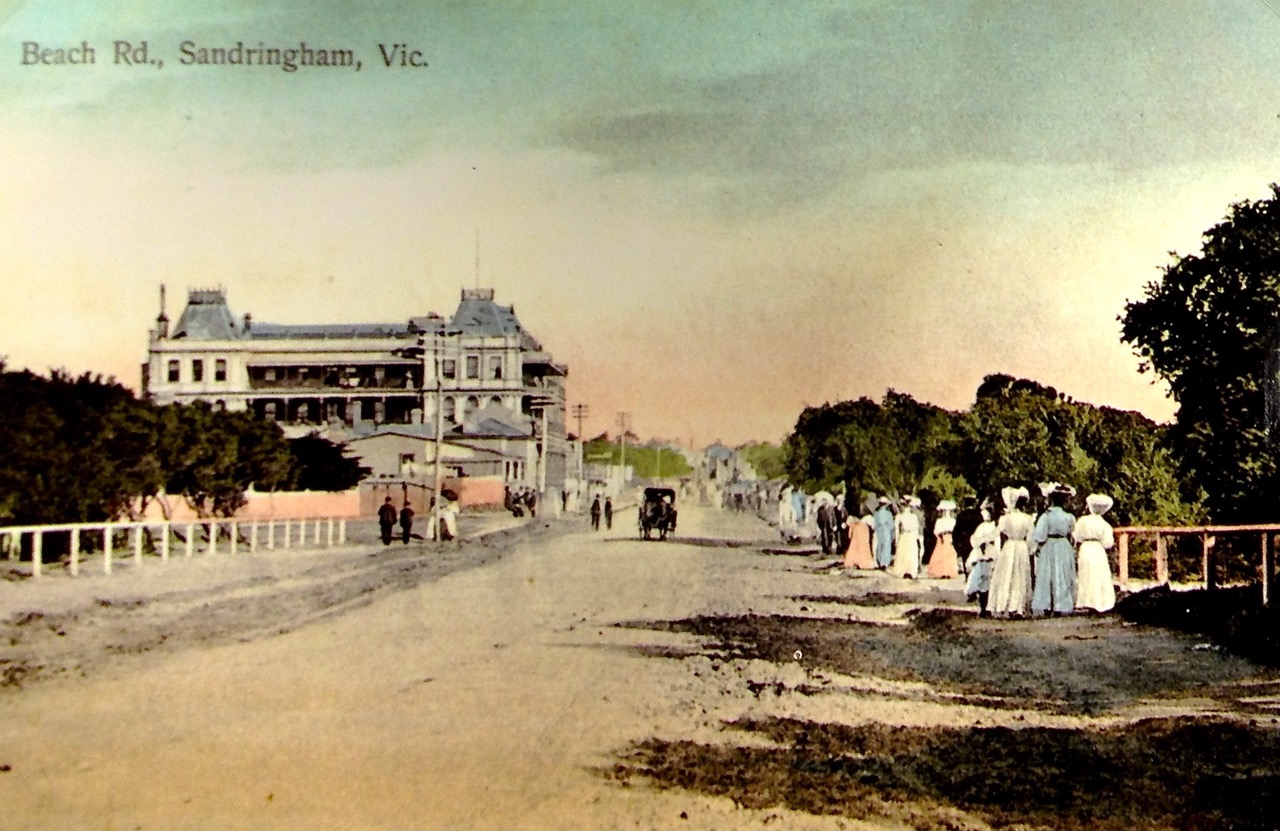
Beach Road Sandringham
Welcome to Sandringham & District Historical Society

What We Do

  • Collect, preserve and catalogue material relevant to the history of Sandringham, Black Rock, Beaumaris, Hampton, and parts of Highett and Cheltenham.
  • Record oral histories from local residents and past residents. 
  • Disseminate this knowledge available through social media, web page, books, articles, newsletters, and displays.
  • Research local history and write stories based on this intriguing work. 
  • Liaise with local businesses, volunteer organisations, clubs, to collect historical information and provide advice on historical material and projects.

Location & Hours

15 Melrose Street, Sandringham VIC 3191.
 
Open to the public Friday & Sundays: 2:00p.m. – 4:00p.m.

Closed on Public Holidays, other times by arrangement – Visitors welcome!

Recent Posts

Event: Sandringham Street Art Project

Join us on Sunday 30th November 2025 at 2.00 p.m for a presentation on the work of this not-for-profit group of local volunteers with a passion for the visual arts and doing things – facilitating, curating and promoting visual arts, music and community gardens and the general amenity of Sandringham Village and foreshore.

Sandringham & District Historical Society Logo

Visit our shop

From books to pictures and more, our shop at Sandringham & District Historical Society Inc. may have just what you are looking for.

Shop Here
Facebook Logo

Visit us on Facebook

Come and see our fabulous Facebook page and learn all about our latest news! While you're there, why not Like us on Facebook too?

Click Here
0_2465042

Help with your research

Whether it's researching your family tree or photocopying some articles for your project, we have a team of volunteers ready to help.

Read More

Castlefield Estate Project

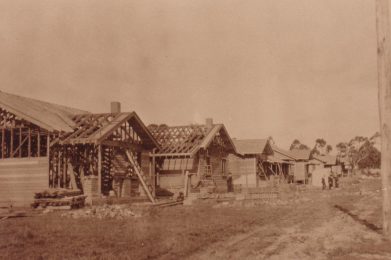
Building the houses 1

The Castlefield estate holds historical significance as the second largest soldier settlement housing estate in Victoria after World War I. Here are some key points about this remarkable estate:

  • Origins and Ownership:

    • Originally, the land was farmland owned by early settler Matthew Smith.
    • After World War I, the land was compulsorily acquired for the purpose of establishing a soldier settlement.
  • Naming Convention:

    • The Castlefield estate is recognizable by the names of its streets, which are named after landmarks on the Western Front during the war. These street names include Amiens Street, Passchendaele Street, Rouen Street, and others.
    • This naming tradition pays homage to the soldiers who served during the war and the battles they fought.
  • Preservation:

    • The Castlefield estate has maintained it’s historical character and is the best preserved of the remaining WW1 Soldier settlement estates in Victoria.
    • It stands as a testament to the post-war efforts to provide returning soldiers with land and housing.
  • Recent Developments:

    • The Sandringham and District Historical Society, along with the Castlefield Project Centenary Committee, is actively involved in researching and celebrating the estate’s history.
    • A grant has been allocated to manage the Castlefield Project, which includes research, celebrations, and interpretative street signs.

In 2025, there will be a grand celebration of the Castlefield Estate, commemorating its role in supporting veterans and shaping the local community.

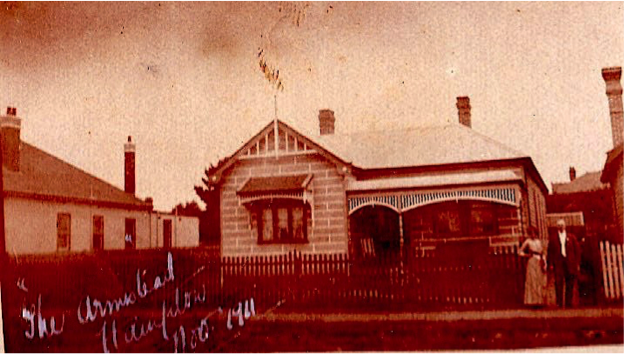
A Hampton Story - by SDHS member Margaret Watts

My great grandparents, John Silk Sherrard junior and his wife Jane, nee Potter, started marital life in Melbourne in 1876.  Neither however would have contemplated that they would ultimately probably hold the record for the most unusual living arrangement in Hampton.

When John and Jane’s fortunes fluctuated in the depression, he left to find work in North West Tasmania.  Jane stayed on with their four daughters in Melbourne’s Tin Pan Alley and she worked as a midwife.

A huge thanks to our partners

We acknowledge the Bunurong People of the Kulin Nation as the Traditional Owners and Custodians of this land, and we pay our respects to their Elders, past, present and emerging.